This month we had a wonderfully inspiring chat with writer and essayist Ryan T. Pozzi to discuss his new book The Mess That Made Them: How History’s Greatest Artists Failed, Floundered, and Made Something Brilliant Anyway which challenges the traditional “genius myth” in art history, hence the “mess” because let’s be honest: life is messy for everyone, not just artists.
By the way, this book is for anyone who has ever made anything or likes to make things: we see you amateur bakers, knitters and crocheters, welders, woodworkers . . . we could go on!
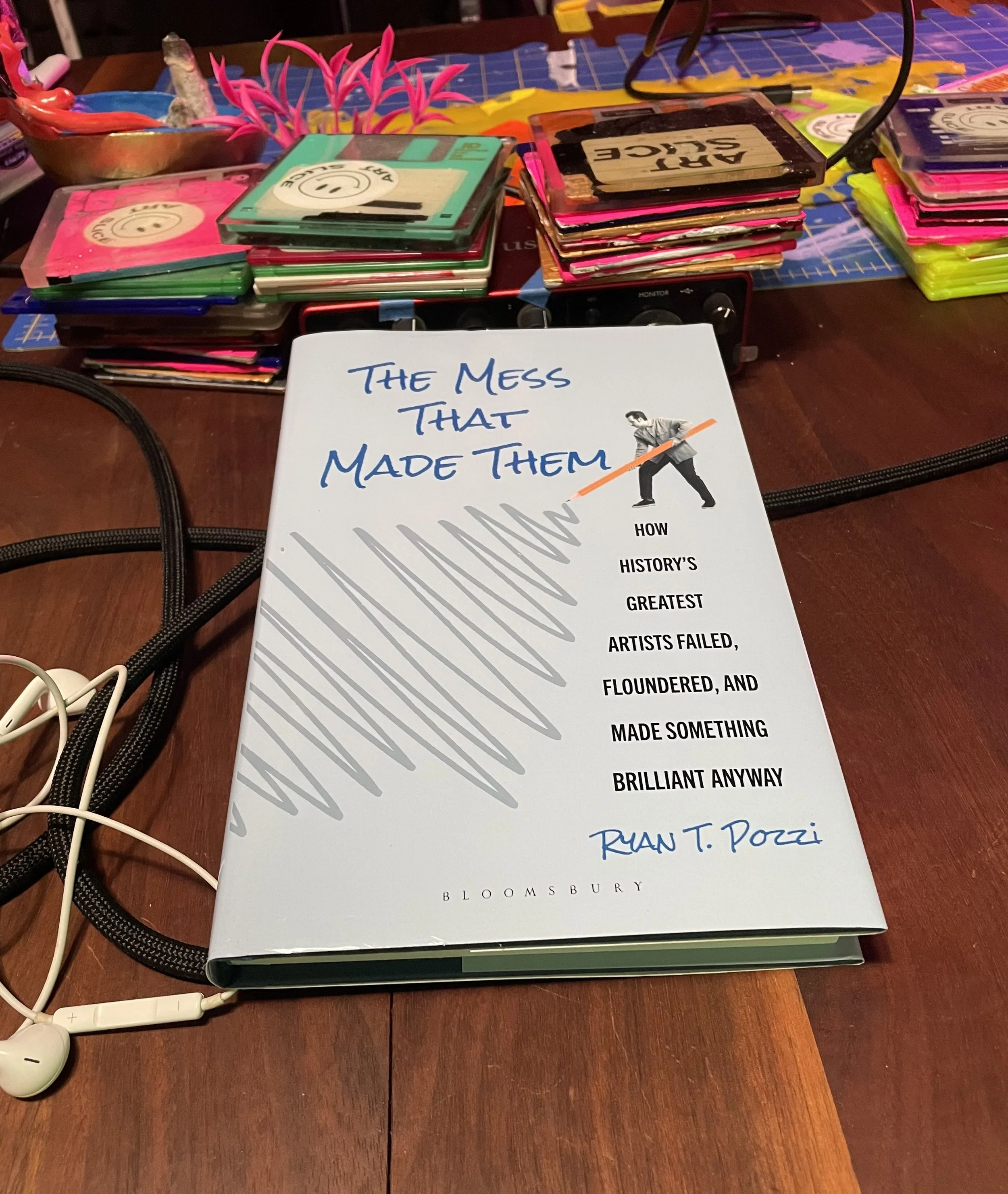
Truly, this read was a much-needed boost as we wrap up this year which has been ‘challenging’ (to put it mildly) on so many levels for many of us.
Even though we research artists for the show and know that their artistic careers were often not linear as they are often presented to us, we still tend to get in our own heads and forget that when we are in the process of making something. Lol chalk it up to being human!
But as we discuss with Ryan, all of us bring our own messy experiences into our creative work and instead of trying to cram ourselves into “should-shaped” boxes that someone (society? your parents? that professor in grad school?) said we need to fit in, we should lean into the mess. There are lessons to be gleaned there!
The Mess That Made Them includes the fascinating stories of 24 artists (visual, composers, writers) and for our conversation with Ryan, we focused on Edvard Munch and Francisco Goya.
While we’ve covered both artists on the show, we didn’t realize how much the two of them have in common when it comes to the idea of witnessing pain.
For Munch, it was internal: depression, anxiety, struggles with grief and addiction.
For Goya, he depicted his external surroundings which included the horrors of war, corruption and the negative effects it had on society.
And for both artists, society was NOT ready for the work they were putting out. Mainstream critics ripped Munch to shreds for exhibiting a portrait of his dying sister, Sophie (“The Sick Child”).
However, it wouldn’t be long before the critics and collectors changed their tune less than 20 years later. Munch’s work was and still continues to be wildly popular all over the world, over a century later.
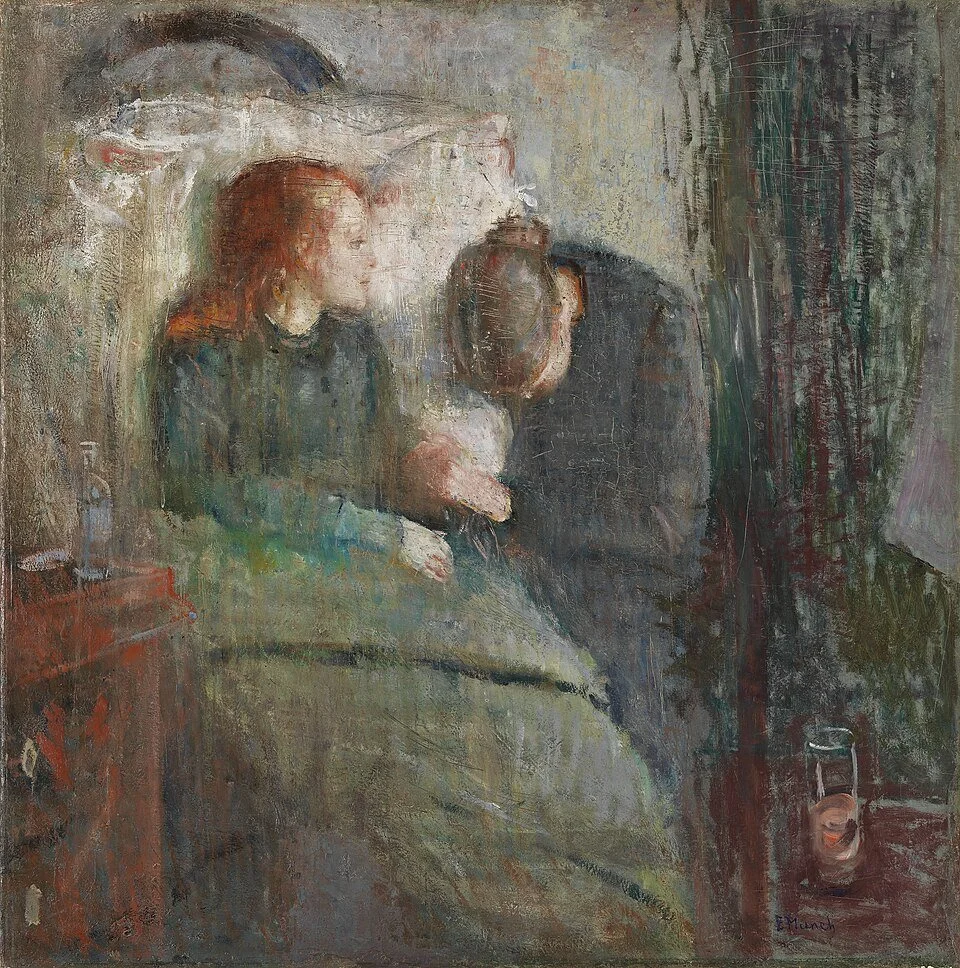
Edvard Munch, “The Sick Child” 1886.
Goya on the other hand, while considered ‘the last of the Old Masters’ and the ‘first of the moderns’, his images of death and war are challenging for some even today.
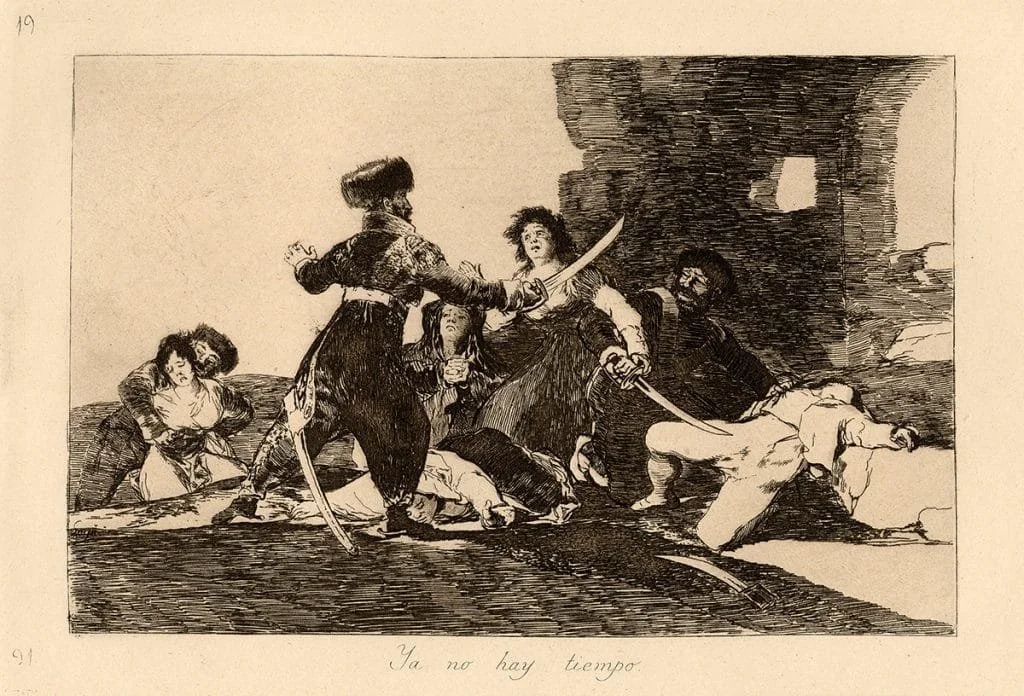
Francisco Goya, “Ya no hay tiempo ("There Isn't Time Now")” Plate 19 from The Disasters of War. c.1810
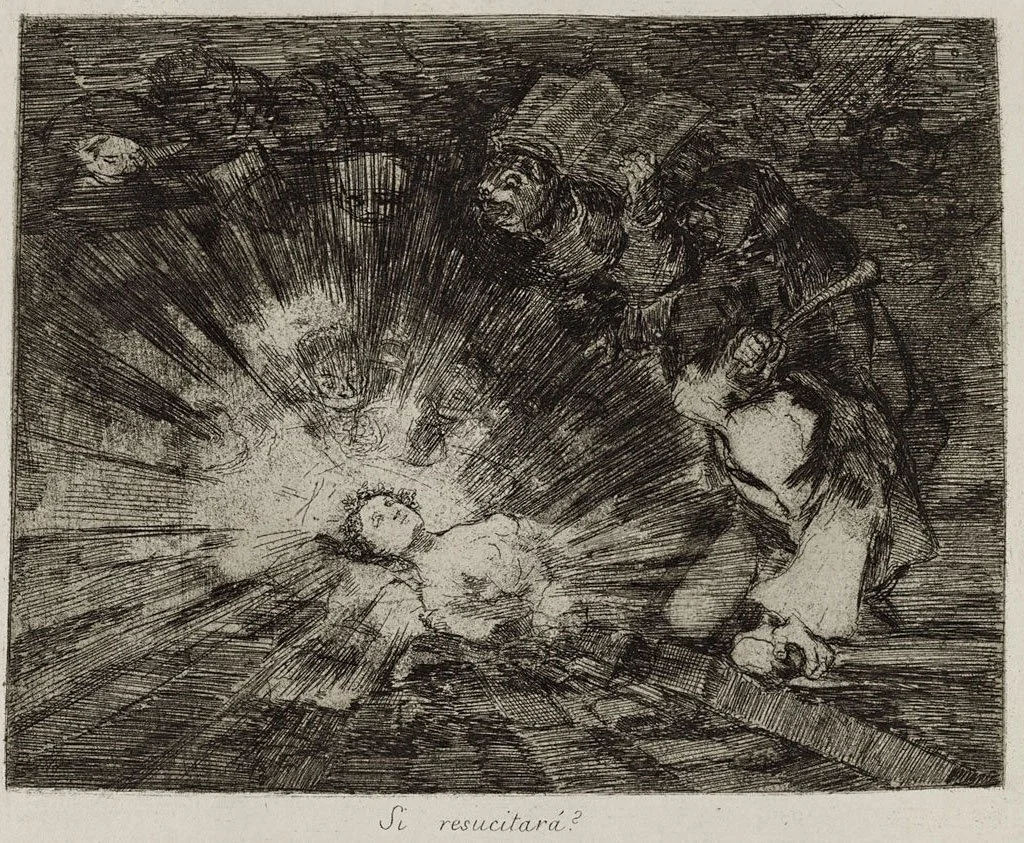
Francisco Goya, “Si resucitara? (Will She Rise Again?)” Plate 80 from The Disasters of War c. 1814
The palette in Goya etchings offer shades of black and gray, whereas Munch goes to town with painterly strokes and bright, sometimes even garish colors.
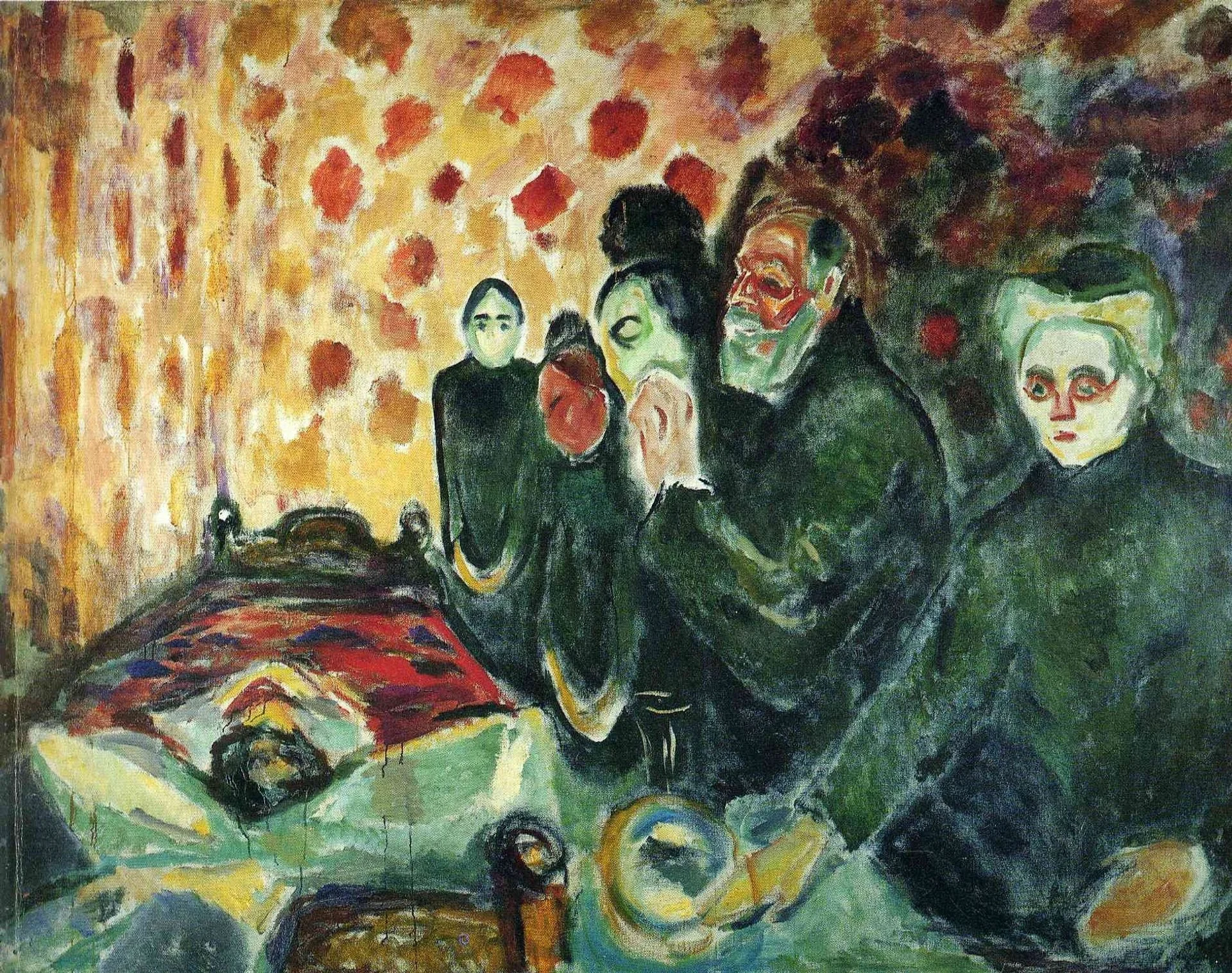
Edvard Munch, “By the Death Bed (Fever)” c. 1895.
Both offer a record of pain but one might just be a bit easier to on the eyes.
You can find The Mess That Made Them wherever books are sold OR check out your local library.
If they don’t have it, you can request it!
Keith/Bosch Update:
We are still working on our Keith Haring/H.Bosch series. What was meant to be a 2 episode series has turned into 3 (which honestly, we should have seen coming — oosp!).
However, we have something spooky in the works we can’t wait to share!
Music:
~Support the show~
If you haven’t yet, please leave us a 5 star review on your pod player of choice so we can reach new listeners like you!
We would love your support on Patreon as those funds help support our research in the form of books and travel (it makes our visit to see some of these works in person possible!).
You can also support us by purchasing some merch!
As always, THANK YOU to our Patrons and for those of you who have purchased merch from us!
We are sooooo grateful for your support!